




-3__small.jpg)


__small.jpg)


__small.jpg)


_with_flag,_jason__emily_rowley-4__small.jpg)


-2__small.jpg)


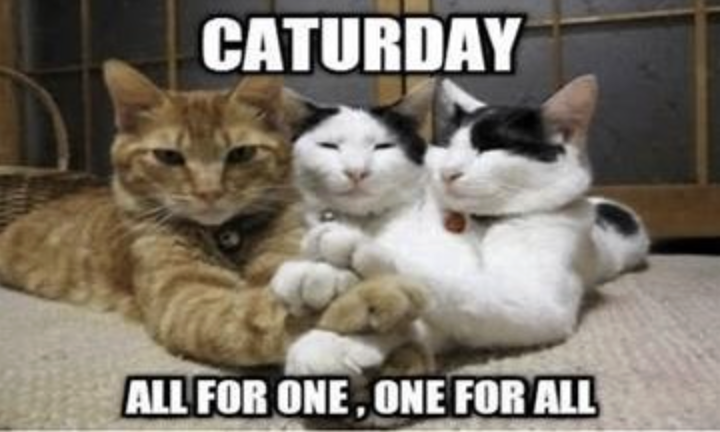
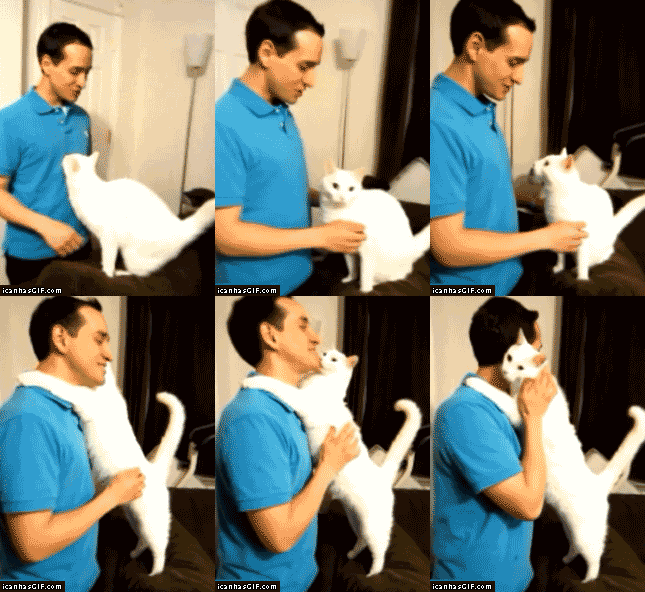
It’s the day theCHIVE turns into a scrolling shrine of whiskers, toe beans, and tiny feline dictators doing what they do best: ruling the world with zero apology.
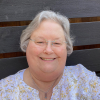
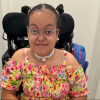
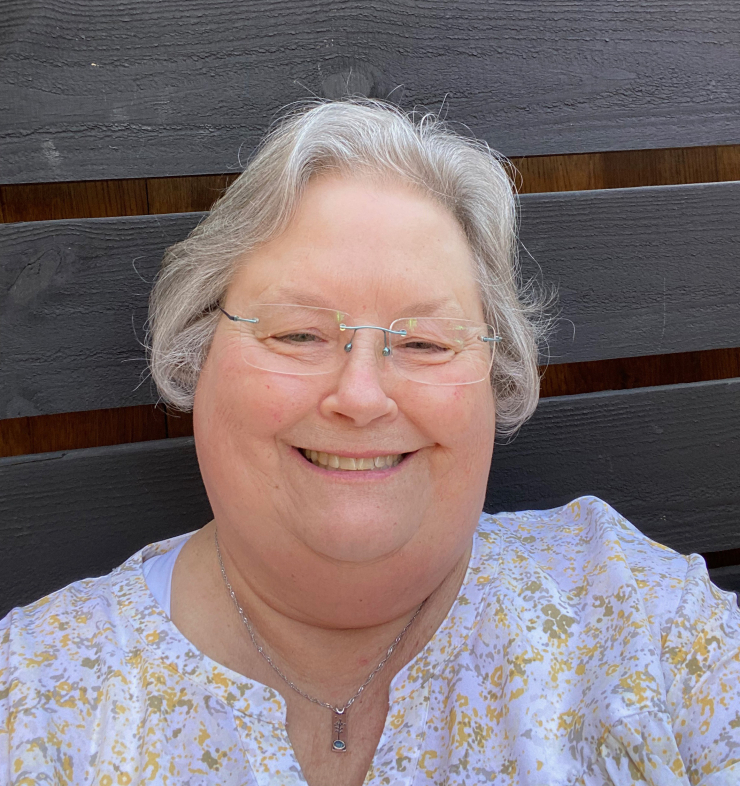
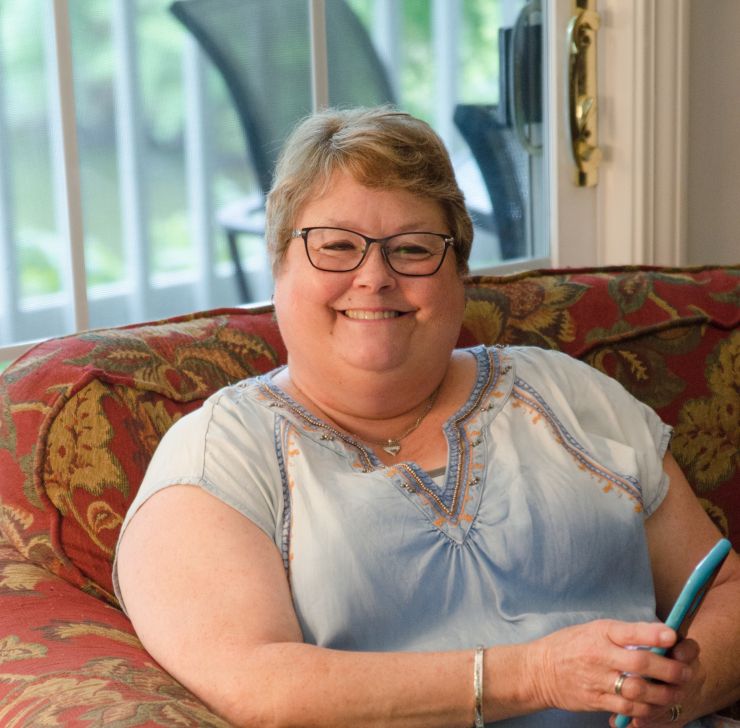
And for Diana, a proud lifelong cat lady living south of Nashville, Caturday is comfort. It is companionship. It is the kind of steady, wordless love that shows up, curls into your lap, and refuses to leave when life gets hard.
Diana has lived with a neuromuscular disease her whole life. As a kid, she fell a lot. People called her “clumsy.” She couldn’t run well. She tripped over her own feet. At 19, she was fitted with leg braces, AFOs, and kept moving forward anyway.
For 45 years, Diana wore two professional hats: phlebotomist and photographer. Four days a week, she drew blood. The other three, she shot photos, saving people’s milestones as memories they could hold onto for decades.
That work mattered to her. The hospital meant people: patients, nurses, doctors, conversations in hallways and rooms, and the rhythm of being useful. Photography meant legacy. She talked about families and grandchildren, looking back someday at a moment she helped preserve.
She did all of it while quietly managing her disability, so quietly that most people never noticed. If anyone did, it was usually because her jointed braces made a faint click, click sound as she walked.
For much of her life, Diana’s condition was something she adapted around. When she was 36, a doctor finally gave it a name.
Charcot-Marie-Tooth (CMT), Type 2, a hereditary and progressive condition. Her father likely had it, too. Diana remembers him struggling on hills and steps, legs aching and tiring quickly. He died at 40, long before she could connect the dots.
Even with that diagnosis, Diana chose the life she wanted. Her neurologist advised her to stay off her feet as much as possible. Diana kept working. She had bills to pay, a purpose to keep, and a stubborn determination that has always been part of her.
Two years ago, though, everything shifted.
There was a hole in the lab floor at work. Diana had asked for it to be fixed. Boxes were put over it, until they weren’t. She stepped in, flipped, and landed on her head.
That fall altered her days.
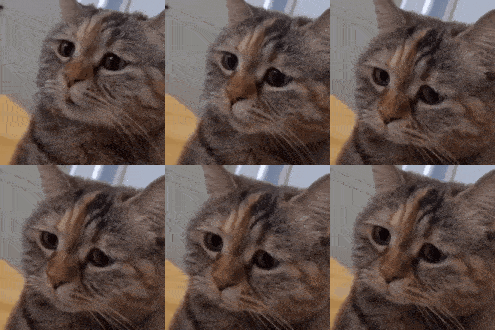
Diana has spent the last two years navigating cascading complications: balance issues that make her feel like she is “walking drunk,” worsening numbness that now reaches her knees, blood pressure drops that can cause her to pass out, and debilitating migraines. She now receives Botox injections, 36 shots every three months, along with IV infusions that have reduced her migraines to about once a week.
But the hardest part may be what the injury took from who she knew herself to be.
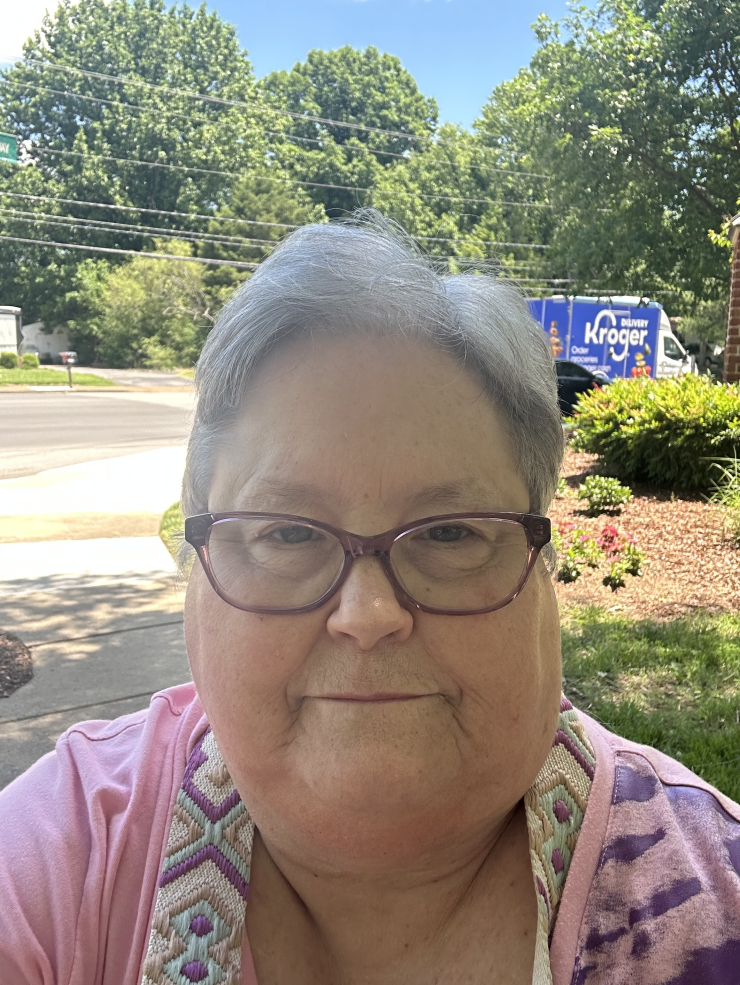
Diana explained it with an analogy that hits you right in the chest: if you blinked your eyes and opened them to find yourself sitting on Mars, how would you feel? Lost. Disoriented. Unsure how to function in a world that suddenly doesn’t make sense.
That’s what it’s been like, she told us, living in a body and mind that don’t behave the way they used to.
Even daily tasks require strategy now. A cognitive therapist taught her the “three spoons” concept. Some days, Diana only has three “spoons” total. One might go to morning meds and feeding the cats. Another to food or laundry. The last one? That’s the one you guard, because once it’s gone, your body demands rest.
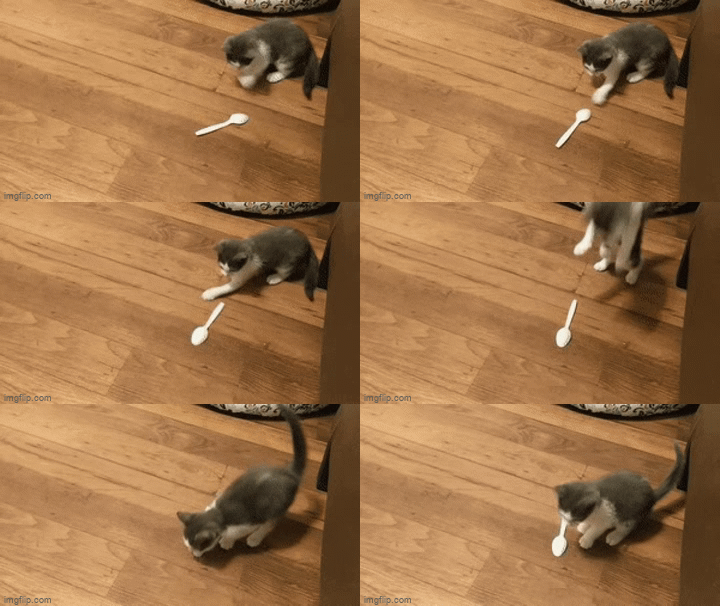
And still, Diana adapts.
She’s learned workarounds that would make MacGyver proud: a lightweight cordless vacuum and a rolling stool for getting around the house; a collapsible laundry basket that fits on her walker so she can move clothes in smaller increments.
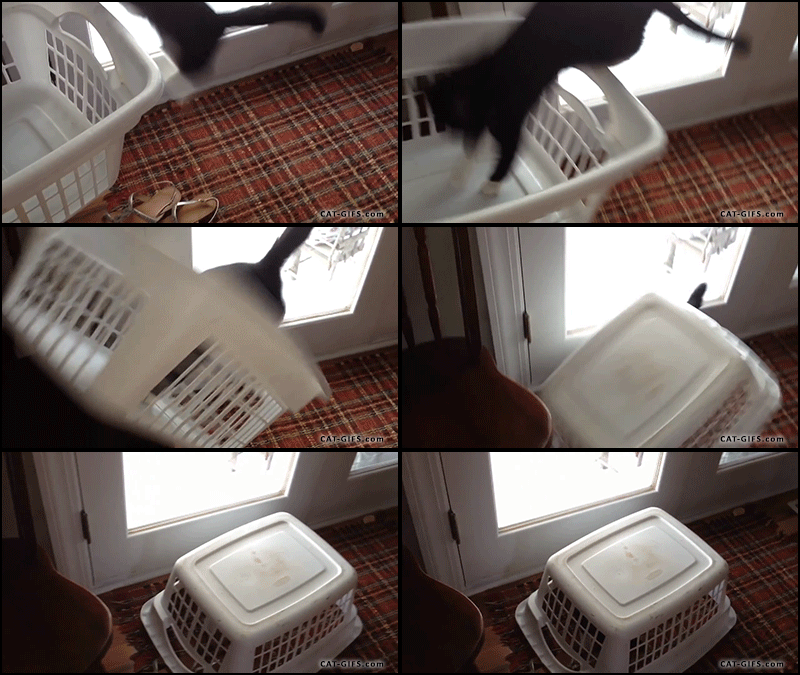
After her head injury affected her ability to type and spell reliably, she started using a program that lets her speak emails into her laptop so the words come out the way she intends.
Diana has always been a “figure it out” person, and she’s also been a musician — self-taught, reading music by 13, playing organ at church, even performing for a beauty pageant at 17 with her own arrangement.
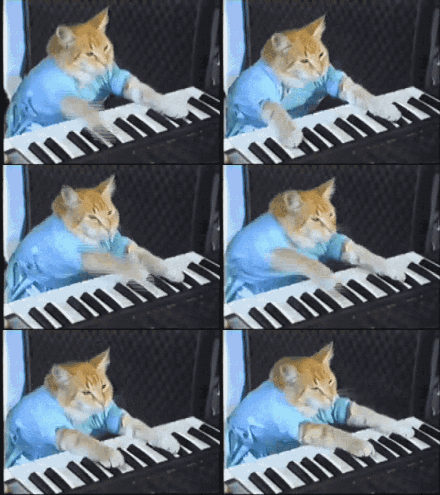
Years ago, a stroke and seizures damaged the part of her brain connected to timing and playing; she can still read music, but the connection from mind to fingers is gone. She listens to music constantly now. She still feels it, even when she can’t play it.
And through all of this, there have been two constant companions: Izzy and Sydney.
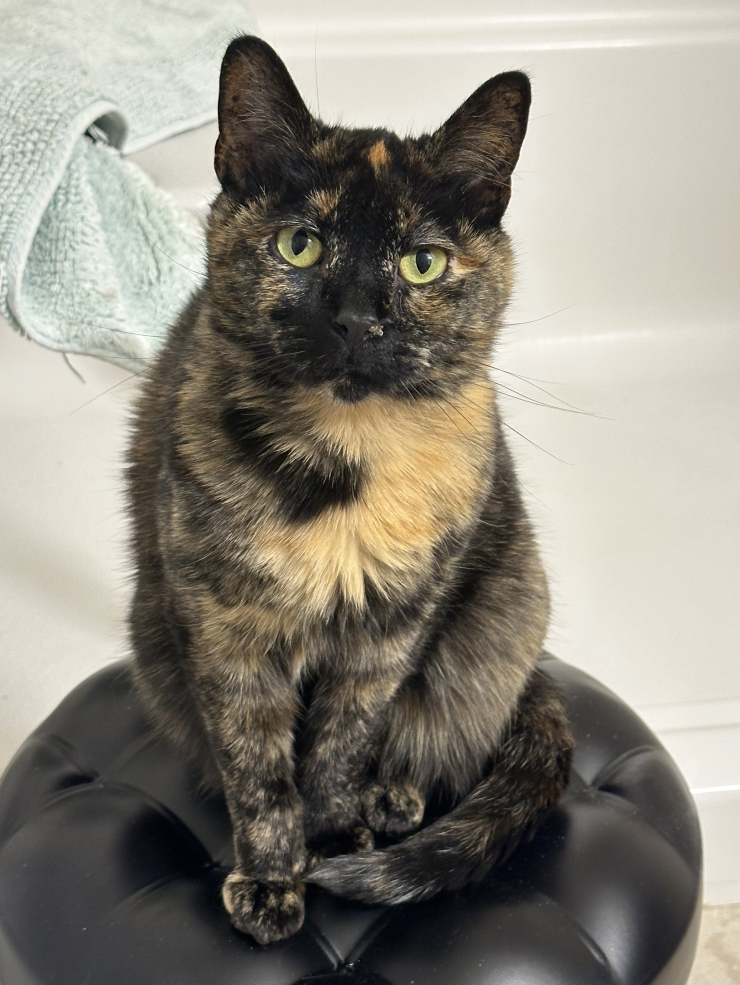
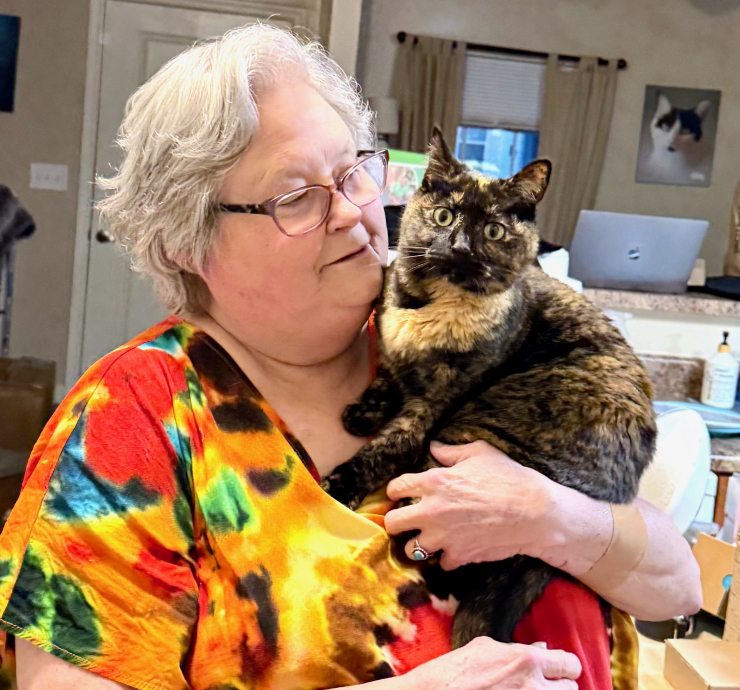
Izzy is a tiny tortoiseshell, almost three, and she’s basically Diana’s live-in nurse with whiskers. She stays glued to her, and when Diana gets a migraine, Izzy will curl up behind her head and purr. Diana swears it helps. Maybe it’s the vibration. Maybe it’s the love. Either way, Izzy shows up.
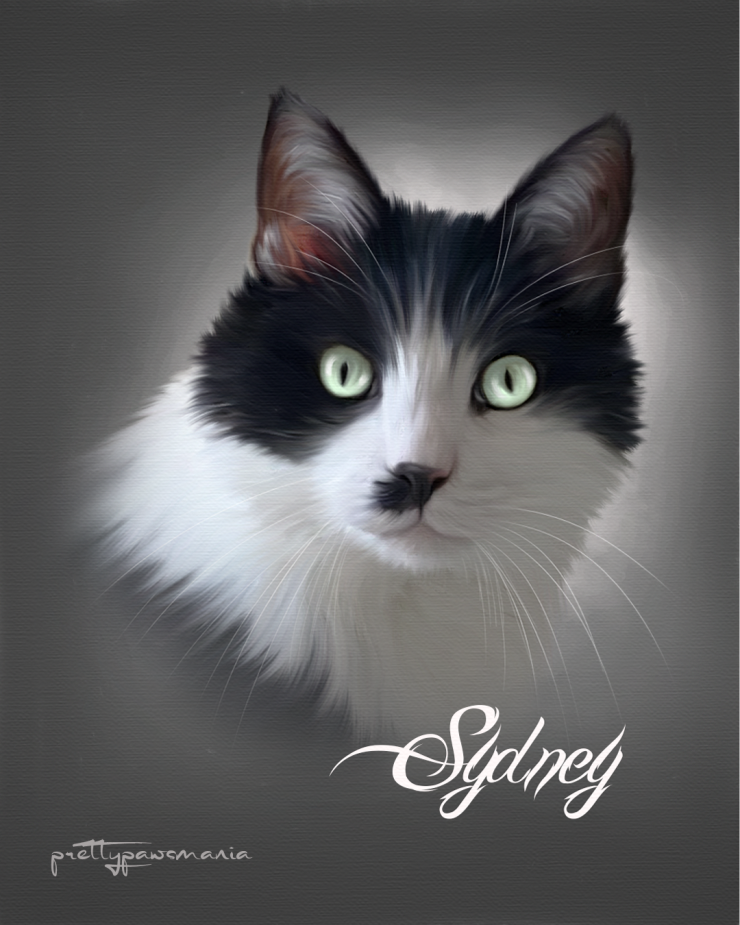
Sidney is a big black-and-white tuxedo boy — 16 pounds of motivation and presence.
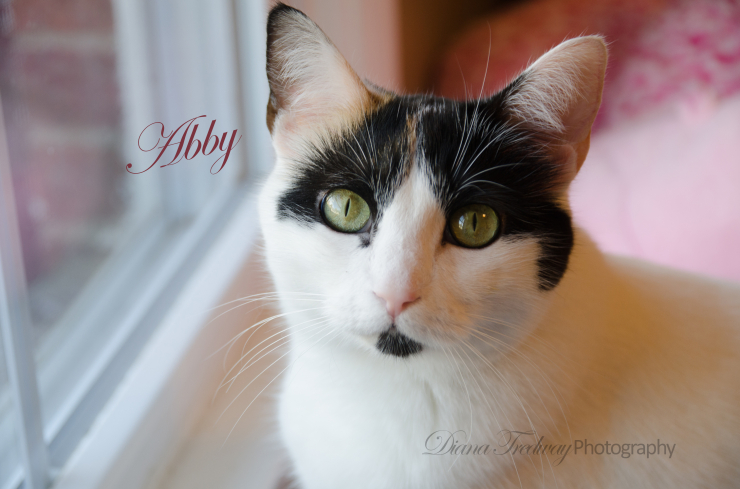
Diana has loved cats for 50 years, and recently she’s had to say goodbye to two of them, one after a tumor returned aggressively, named Abby.
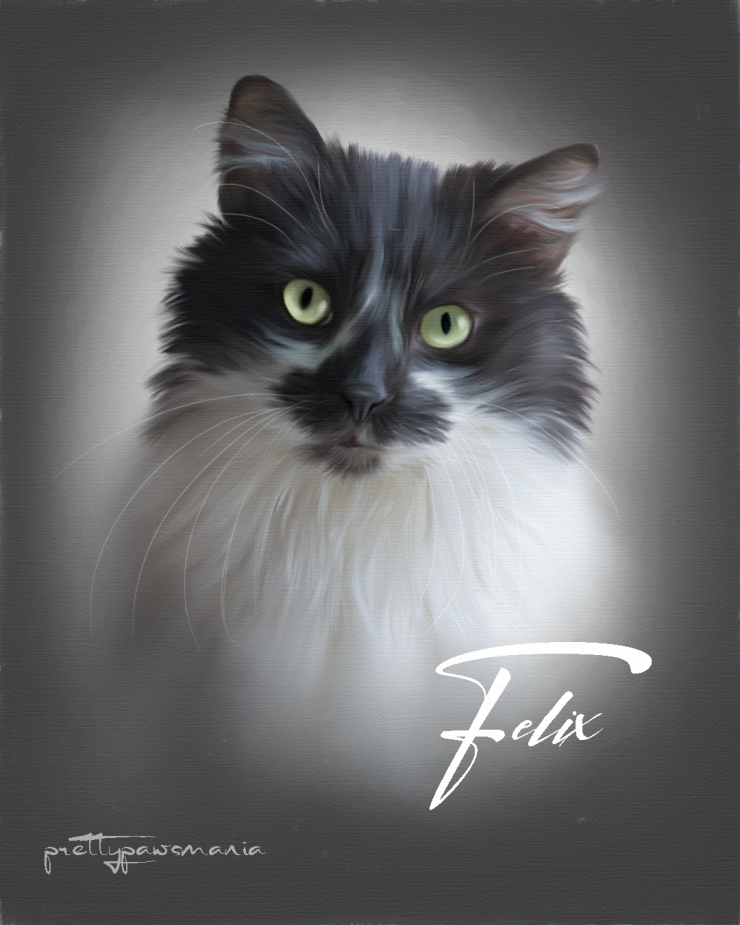
And sweet Felix, who passed from lymphoma. Now it’s “the three musketeers,” she says: Diana, Izzy, and Sydney.
When people suggest assisted living, Diana is clear.
What about the cats?
To Diana, they are family. They know her routines. They show up in the quiet hours. They have been there when independence feels less like a personality trait and more like a daily commitment.
That is why Chive Charities is honored to support Diana in a way that protects what matters most to her: staying in her home, on her terms, with Izzy and Sydney close by.
Because Diana has difficulty getting out of bed, especially with a too-soft mattress and a recent knee injury, Chive Charities is helping provide a floor-mounted bed trapeze and VELA independence chair. Both pieces of equipment give her leverage and control, allowing her to move more safely and confidently around her home. The total impact was $4,438, and it was only possible because of your contributions.
This is where Caturday meets 10% happier.
Happier does not always look loud. Sometimes it looks like a woman who spent her life working and caring for others, continuing to advocate for herself. Sometimes it looks like a tortoiseshell cat purring through a migraine. Sometimes it looks like a trapeze bar beside a bed, offering steadiness and independence.
And sometimes it just looks like a room full of cats. (We know you’re out there, fellow cat people.)

If Diana’s story resonated with you, help us keep showing up for people like her. Donate to Chive Charities and be part of what allows someone to stay home, stay safe, and keep the life they have built, including the companions who never leave their side.
Together, we can make the world 10% happier, one Caturday at a time. DONATE HERE.