

























-3__small.jpg)


__small.jpg)


__small.jpg)


_with_flag,_jason__emily_rowley-4__small.jpg)


-2__small.jpg)


You’re in the truck, radio on the classic rock station, and a song from the ’90s comes through the speakers. You say, "That’s not classic rock.”
Then you do the math and realize that the Red Hot Chili Peppers’ Californication is now decades old.
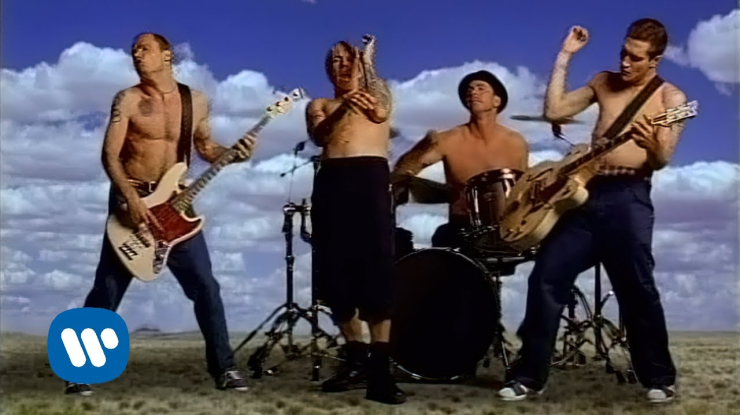
But classic rock isn’t just about age. It’s about grit. For Mark, who spent 32 years driving commercial trucks and 18 more chasing wildfires across the West, those songs were the soundtrack to a life of service.
Now, as he faces pancreatic cancer at nearly 68 years old, there’s a different kind of debate unfolding.
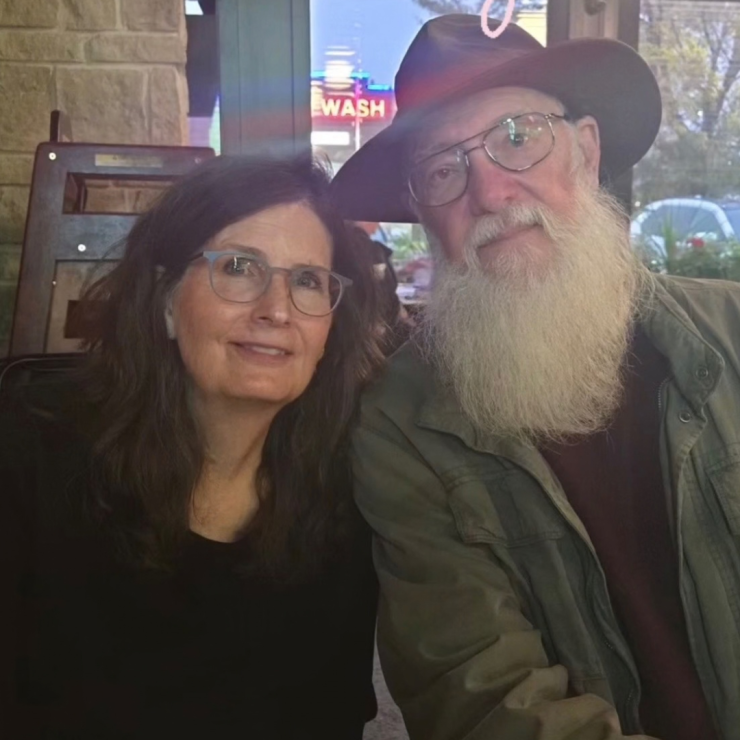
After retiring as a commercial truck driver, the local forester and an old friend asked Mark “How would you like to come fight fires with us, driving our truck and pulling our dozer behind us?”
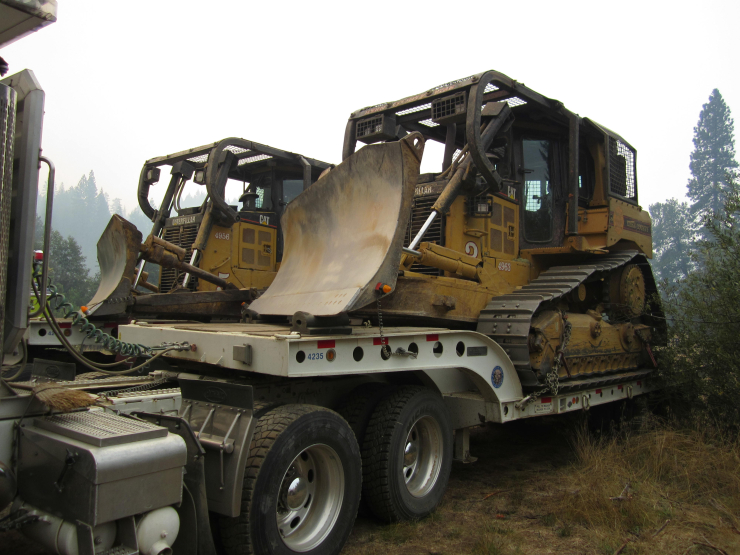
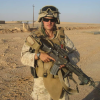
He was in. Every year, around the first of June when Minnesota finally greened up, Mark would put his name on the deployment list as a heavy machine operator, a “smoke chaser”.
__body-content-image.png)
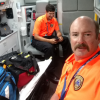
From Texas to Montana, throughout the western United States and even parts of Canada, he would deploy for 14–21 days at a time, often for 10–12 weeks each season.
In 2011, he spent 94 days in Texas. He worked 22 straight days on a single fire.
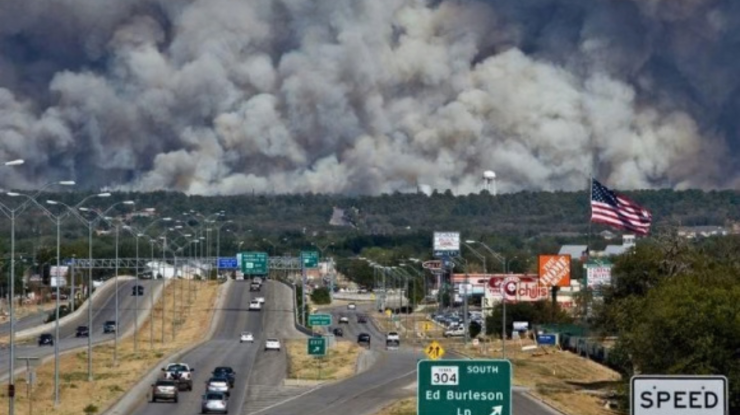
When the tour ended, there was a mandatory 48-hour rest period. Mark said “I came home to clean clothes and kiss my wife.” On day three, he usually got another call and headed back out.
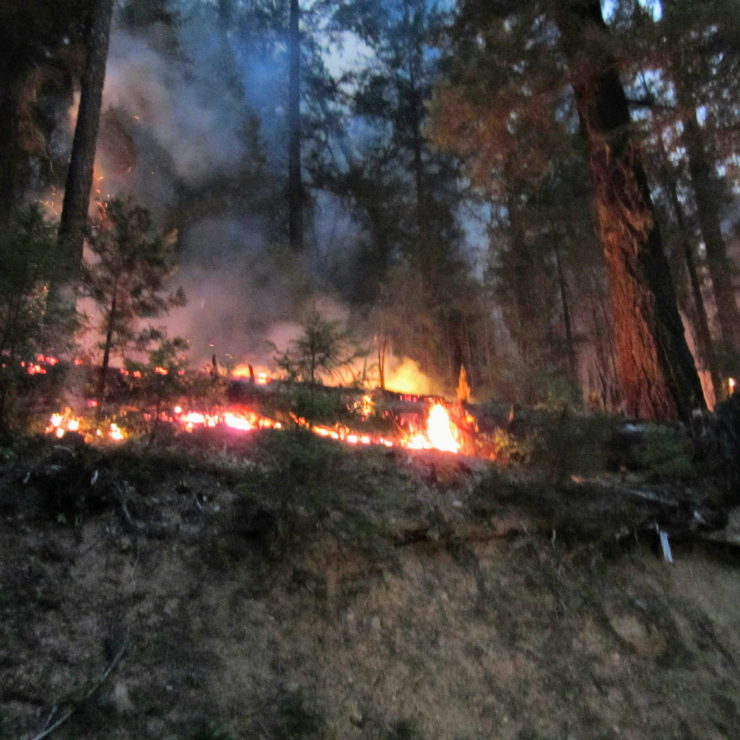
The Hidden Risk
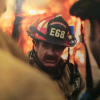
Structural firefighters often use self-contained breathing apparatus (SCBA). Wildland firefighters don’t.
“Wildland firefighters use a bandana,” said Mark.
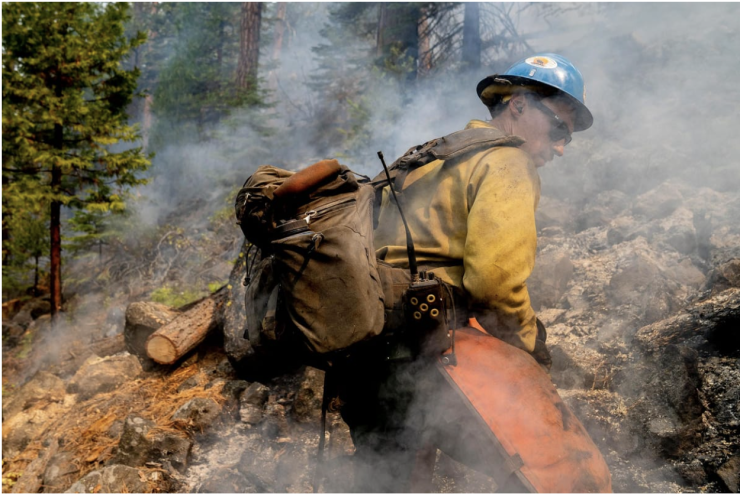
That’s not a metaphor. It’s reality.
For about 12 years, Mark’s primary care physician proactively ordered annual chest X-rays because of his exposure history. That routine imaging was a smart move—but not enough to catch what came next.
November: The Diagnosis
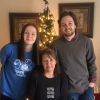
In October 2025, Mark officially retired for good. After tearing his Achilles tendon and losing the ability to pass the physical test, his fire days were behind him. His wife of nearly 50 years, “my rock”, was relieved.
__body-content-image.png)
Then, in November, his stomach issues started. Reflux. Discomfort. His wife rushed him to the hospital.
A tumor, about the size of an acorn, was on his pancreas, pinching off part of his small intestine. His stomach couldn’t empty properly.
Pancreatic cancer.
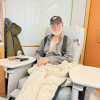
He’s now undergoing chemotherapy—six hours in the infusion chair, then home with a portable pump in a small fanny pack. Treatments every two weeks then a week of sickness follows.
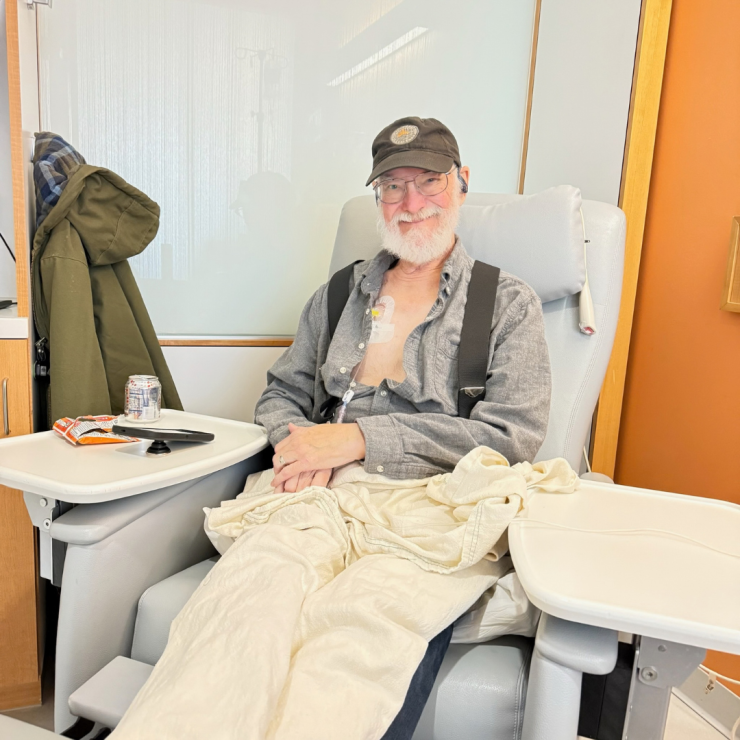
He’s hoping for six rounds. It may be eleven.
The statistics are sobering. For pancreatic cancer, the five-year survival rate remains low. He was told that three years from now, there’s only about a 30% chance he’ll still be here.
__body-content-image.png)
And yet, he fights. Not just for himself, but for his brothers and sisters in the fire service.
And like any long tour on the fire line, he knows the value of backup.
Legislation Is Catching Up
In December 2025, the Honoring Our Fallen Heroes Act was signed into law. It recognizes over 20 types of cancers and ensures that first responders who fight, and sometimes die, from cancer contracted on the job receive the same recognition and support as those with immediate physical injuries.
The CDC also announced the National Firefighter Registry for Cancer in an effort to understand and reduce risk of cancer among US firefighters. All U.S. firefighters, with or without cancer, no matter their length of service can join the NFR.
__body-content-image.png)
These are critical steps forward.
But legislation alone doesn’t prevent cancer.
Screenings do.
“Nearly 70% of annual cancer cases and deaths in the U.S. come from cancers that have no recommended screening, leaving many undetected until later stages,” said Dr. Tom Beer, Chief Medical Officer, Multi-Cancer Early Detection at Exact Sciences. “For first responders facing elevated cancer risk, that screening gap matters. That’s where additional screening tools, like multi-cancer early detection (MCED) tests, may play a critical role. MCED tests, like the Cancerguard® test, are designed to complement routine, recommended screenings by screening for multiple cancers at once through a simple blood draw. The Cancerguard test can help detect more than 50 cancer types and subtypes. As another tool in the cancer screening toolbox, MCED testing gives first responders and their healthcare team an even greater opportunity to detect cancer earlier and take action.”
It’s Easier Than You Think
Routine imagery may have given Mark more time. A comprehensive screening may save others entirely.
__body-content-image.png)
Young or old, regardless of what you consider classic rock - from Van Halen to the Red Hot Chili Peppers - we all have a duty to be there for the ones who love us.
The bravest thing you can do—for your spouse, your kids, your friends, your future—is to catch cancer early.
Schedule the screening.
Learn more at https://www.cancer.gov/about-cancer/screening
The Breakdown
Why are firefighters at higher risk for cancer?
Firefighters, particularly wildland firefighters, are exposed to smoke, toxic chemicals, and airborne carcinogens while fighting fires. Many wildland firefighters work without advanced respiratory protection, which increases long-term cancer risk.
Why is early cancer detection important?
Early cancer detection increases treatment options and survival rates. Many cancers are easier to treat when found early through screening tests or emerging multi-cancer detection tools.
What cancer screenings should firefighters consider?
Firefighters should follow recommended cancer screenings for their age and risk level and consult healthcare providers about additional early detection options, especially if they have long-term exposure to smoke or toxins.