

-2__small.jpg)
































-3__small.jpg)


__small.jpg)


__small.jpg)


_with_flag,_jason__emily_rowley-4__small.jpg)


-2__small.jpg)


The rules are different. The map is gone. The safe, familiar path disappears, and suddenly they’re learning how to navigate an entirely new world.

Everly probably would not sit still long enough to watch that metaphor unfold. She would spin in circles during the musical number, yell something wildly specific and hilarious at exactly the wrong moment, and somehow still understand the entire emotional arc better than everyone else in the room.
At just two years old, Everly already moves through life in her own unmistakable way. Boldly. Loudly. Brilliantly. Entirely on her own terms.
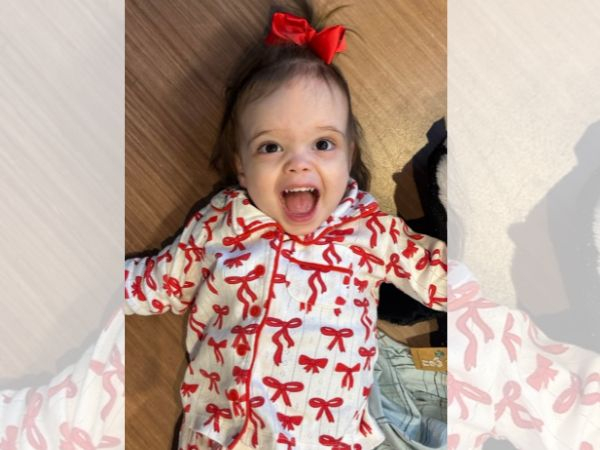
“She beats to her own drum,” her mother, Michelle, said with a laugh. “Every therapist who has ever worked with her says there’s no one like her.”
That became clear almost immediately after Everly was born. Even as an infant, something felt different. She cried for most of the day, struggled to settle, and constantly needed deep pressure on her body to feel calm. She stayed swaddled until six months old because it was one of the only things that helped her regulate.
Michelle knew in her gut that something wasn’t right.
At two months old, Everly could barely tolerate tummy time without screaming from exhaustion. At six months old, she showed unusual hand dominance, something therapists warned could point to neurological concerns. She struggled with gross motor skills but displayed flashes of startling intelligence and comprehension that didn’t match the delays doctors kept dismissing.
“She can feed a fake baby a bottle,” Michelle remembered thinking. “But she can’t clap her hands. Something is disconnected here.”
Again and again, Michelle advocated for her daughter while feeling brushed aside as an anxious first-time mother. Still, she kept pushing.
Eventually, after months of therapies, referrals, evaluations, and relentless advocacy from her mom, Everly was diagnosed with Neurofibromatosis Type 1 (NF1), a rare genetic condition that affects how the nerves and brain communicate with the body. It can impact things like development, vision, movement, learning, and sensory processing.
The diagnosis answered questions Michelle had been carrying for months, but it also opened the door to a world of uncertainty.
Soon after, doctors discovered an optic pathway glioma, a tumor affecting Everly’s optic nerve. At just two years old, she began chemotherapy.
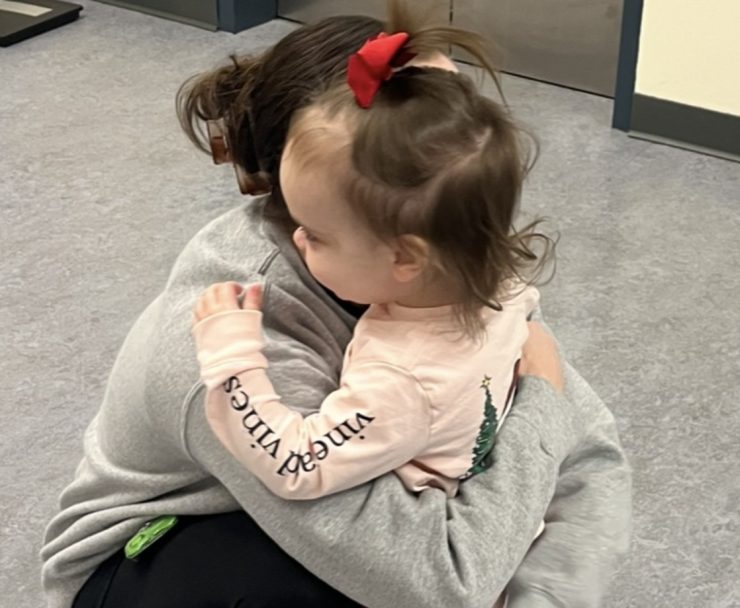
Since then, life has become a complicated rhythm of MRIs, bloodwork, therapies, specialists, medications, and weekly treatments. Everly now has a port for chemo and attends countless appointments while navigating speech challenges, sensory regulation difficulties, fatigue, developmental delays, and neurological complications connected to NF1.
But if you ask Michelle to describe her daughter, medical terminology is not where she starts.
She starts with the stories.
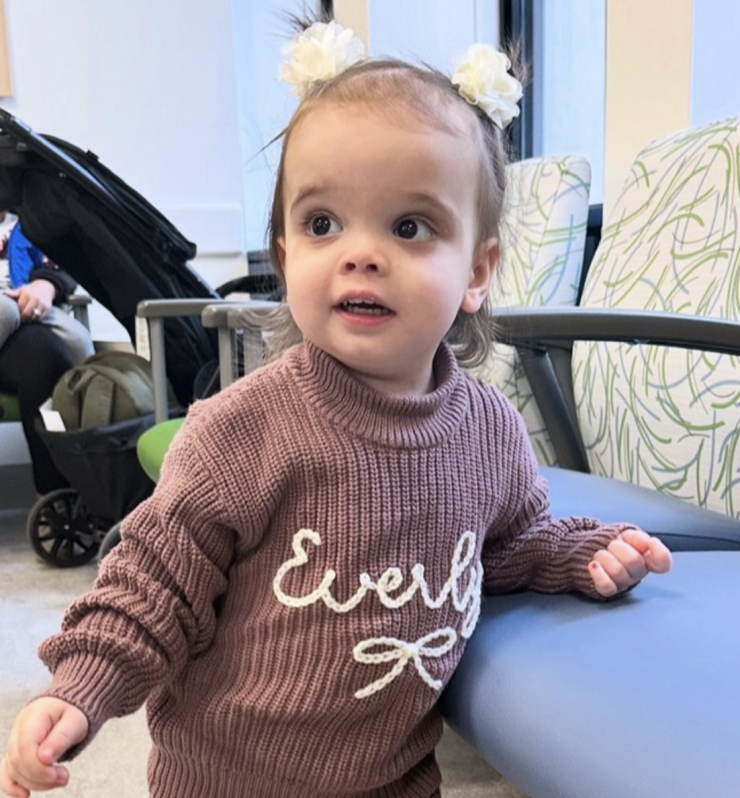
Like the time Everly dramatically collapsed to the floor during playgroup because she couldn’t open a pretend kitchen cabinet.
Or the way she selectively chooses when she feels like speaking, occasionally unleashing full sentences seemingly out of nowhere.
One day during occupational therapy, after refusing every prompt her therapist offered, Michelle asked her to choose between two colors of paper.
“Pink or purple?” she asked.
Everly swatted them both away and calmly replied, “I choose none.”
Another time, she told a nurse exactly how she felt about getting her port accessed by kicking her squarely during treatment.
“She’s wicked funny,” Michelle said. “And she absolutely knows what she’s doing.”
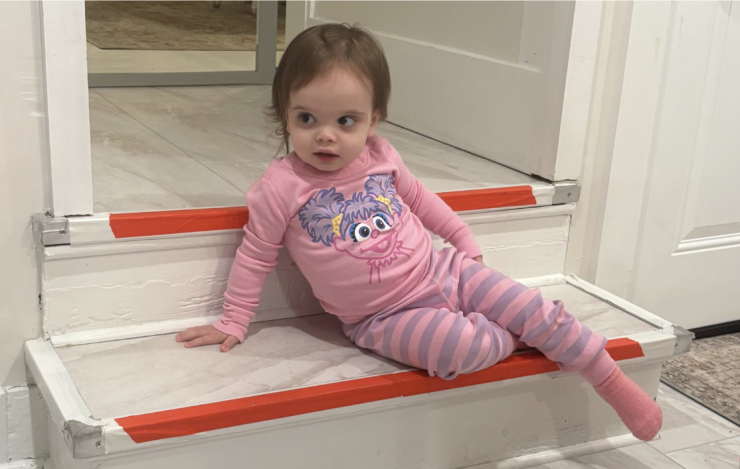
That humor has become one of the anchors carrying Michelle through the exhausting reality of becoming what she calls a “medical complex mom.” Because beneath the laughter is a constant balancing act between treatments, advocacy, fear, and the invisible weight so many caregivers quietly carry.
“It’s isolating,” Michelle admitted. “You sit at a table full of moms and realize nobody understands your life anymore.”
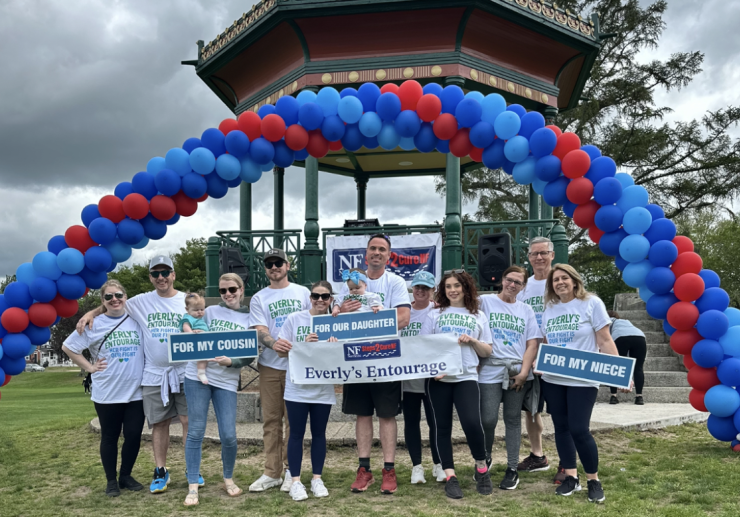
She left her teaching career to care for Everly full-time. Days now revolve around therapies, medical appointments, sensory regulation, medication schedules, and finding ways to help her daughter feel safe and comfortable in a world that can easily overwhelm her nervous system.
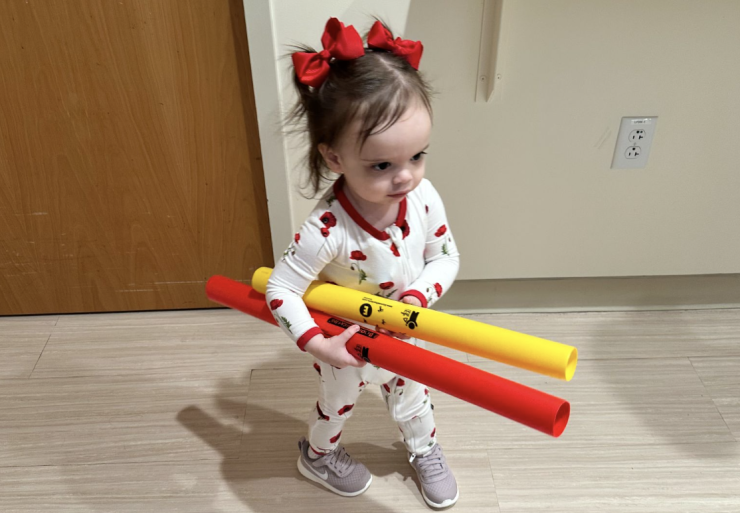
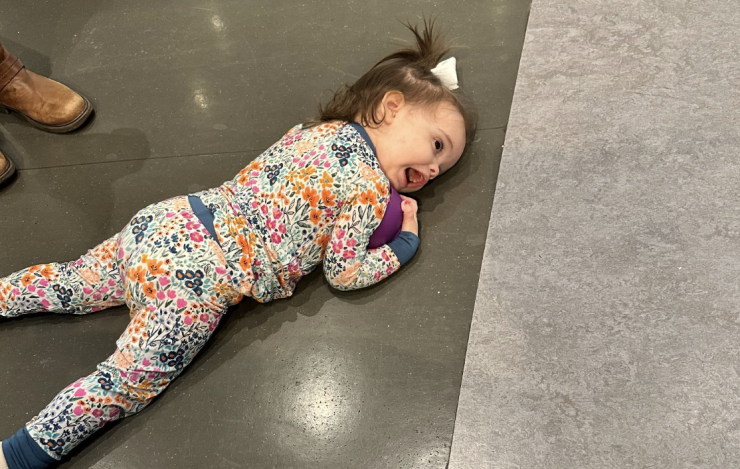
Sometimes she squeezes objects close to her body and rests on the floor to help herself feel calm and regulated. Sometimes she rubs her head against hard surfaces or presses herself into tight spaces for feedback and comfort.
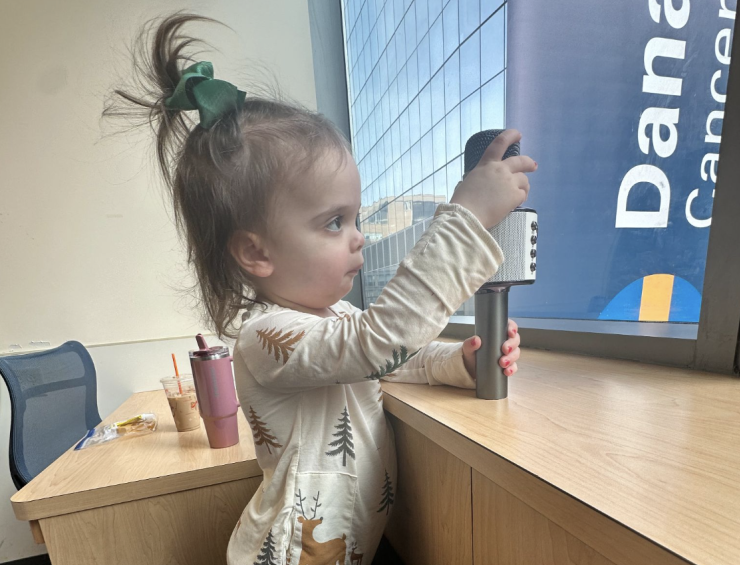
Michelle spent countless hours researching tools that could help her daughter regulate safely at home, especially during chemotherapy when her weakened immune system made it unsafe to visit public gyms and play spaces.
One piece of equipment in particular stood out: a specialized sensory steam roller designed to provide deep pressure input that helps calm and organize the nervous system.
But insurance denied it.

Despite prescriptions and documentation from medical providers, the equipment was deemed “not durable medical equipment.”
To Michelle, the denial felt impossible to understand.
“She can’t function if her sensory system is heightened,” she said. “This is what helps her access everyday life.”
Thanks to our incredible donors, though, Chive Charities was able to fund specialized sensory equipment for Everly that insurance would not for a total impact of $996.
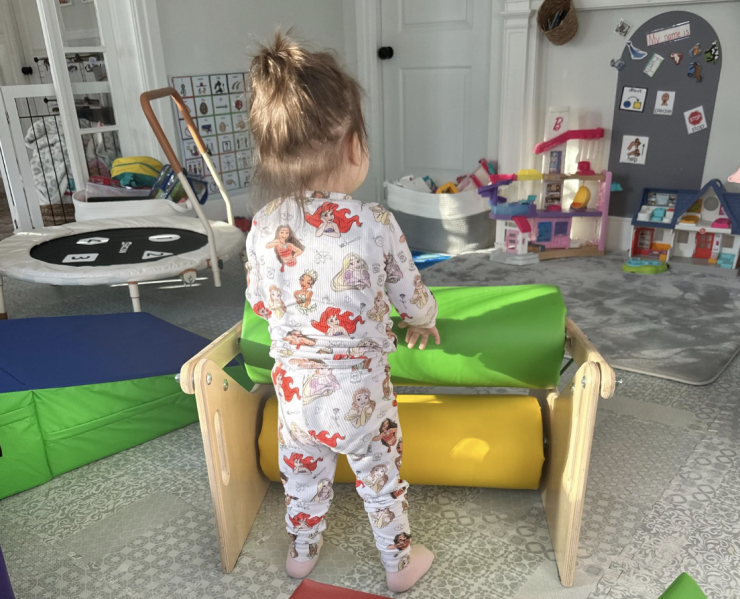
For many families, support like this fills the gaps other systems often overlook. The reality is that children like Everly don’t always fit neatly into categories people recognize immediately. Some disabilities are visible.
Others live quietly beneath the surface in the form of sensory overload, communication struggles, neurological exhaustion, or developmental challenges that impact nearly every moment of daily life.
And still, through all of it, Everly remains unmistakably herself.
Bold. Funny. Fiercely independent.
A little girl who loves Disney movies, dancing in circles, sensory play, and making absolutely sure everyone around her understands that life will be lived on Everly’s terms.
“She’s going to advocate for herself someday,” Michelle said. “I already know that.”
For now, Michelle will keep doing it beside her.
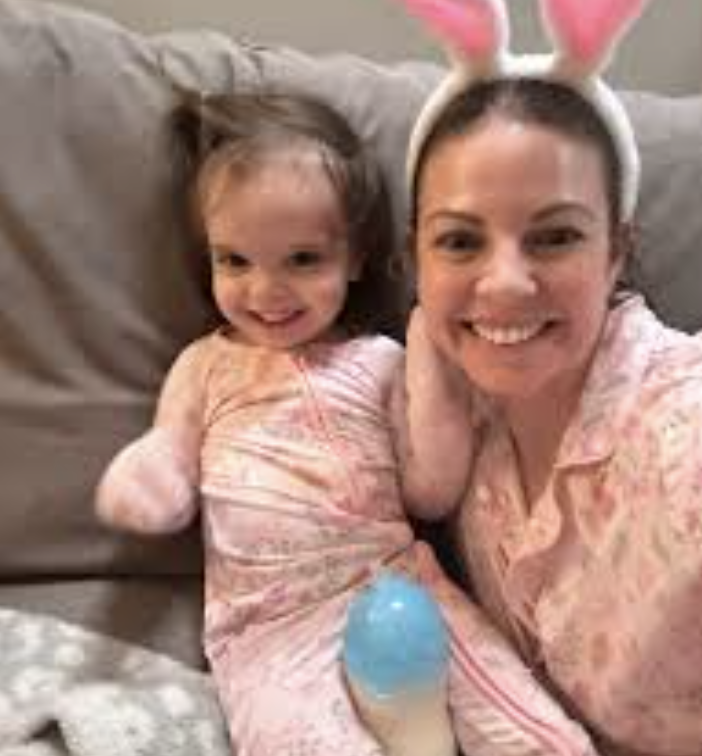
She’ll continue showing up at appointments. Fighting for answers. Researching resources late at night. Teaching people to look beyond assumptions. Helping her daughter navigate a world that doesn’t always understand children who experience life differently.
And somewhere in the middle of all that, Everly will probably continue making people laugh.
Because even during chemo, even during therapies and evaluations and endless uncertainty, she is still very much a kid. A hilarious one.
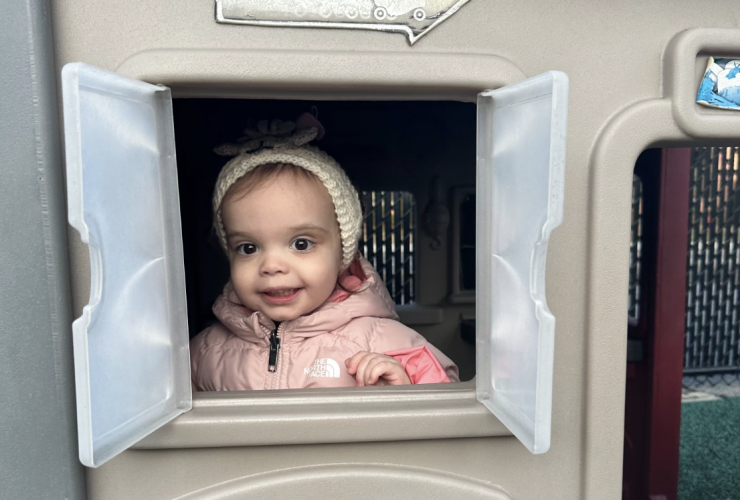
The kind who tells adults “I choose none” when given choices she doesn’t like.
The kind who reminds everyone around her that strength does not always look quiet or polished or easy.
Sometimes it looks like a tiny girl dancing to the beat of her own drum.
If stories like Everly’s move you, please consider becoming a monthly subscriber to Chive Charities. Your support helps provide life-changing grants, adaptive equipment, medical assistance, and hope to families navigating some of life’s hardest challenges.
Together, we can continue changing lives — one remarkable kid like Everly at a time. DONATE HERE.
The Breakdown
Why would insurance deny medically recommended sensory equipment for a child?
Insurance companies often deny sensory equipment because it may not fit strict classifications like “durable medical equipment,” even when doctors and specialists provide prescriptions and documentation showing it would significantly improve a child’s daily functioning and quality of life.
What is Neurofibromatosis Type 1 (NF1)?
Neurofibromatosis Type 1 is a genetic condition that affects nerve growth and communication between the brain and body. It can cause developmental delays, sensory processing difficulties, tumors, learning challenges, and neurological complications.
What does sensory regulation equipment do?
Sensory regulation equipment provides calming sensory input, often through deep pressure, helping children with neurological or sensory processing challenges feel calmer, safer, and more organized in everyday life.
How do nonprofits help families after insurance denials?
Organizations like Chive Charities help families access adaptive equipment, therapies, medical support, and resources that insurance providers may refuse to cover.