

-2__small.jpg)
































-3__small.jpg)


__small.jpg)


__small.jpg)


_with_flag,_jason__emily_rowley-4__small.jpg)


-2__small.jpg)


Remember playing “The Floor Is Lava” as a kid?
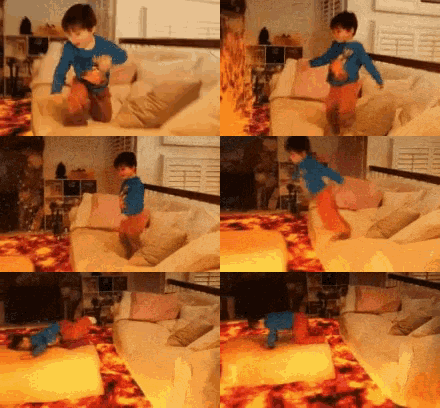
The rules were simple: don’t touch the ground. You’d launch yourself from couch cushions to chairs to countertops like your life depended on it, dramatically yelling at your siblings when someone’s foot accidentally hit the carpet for half a second.
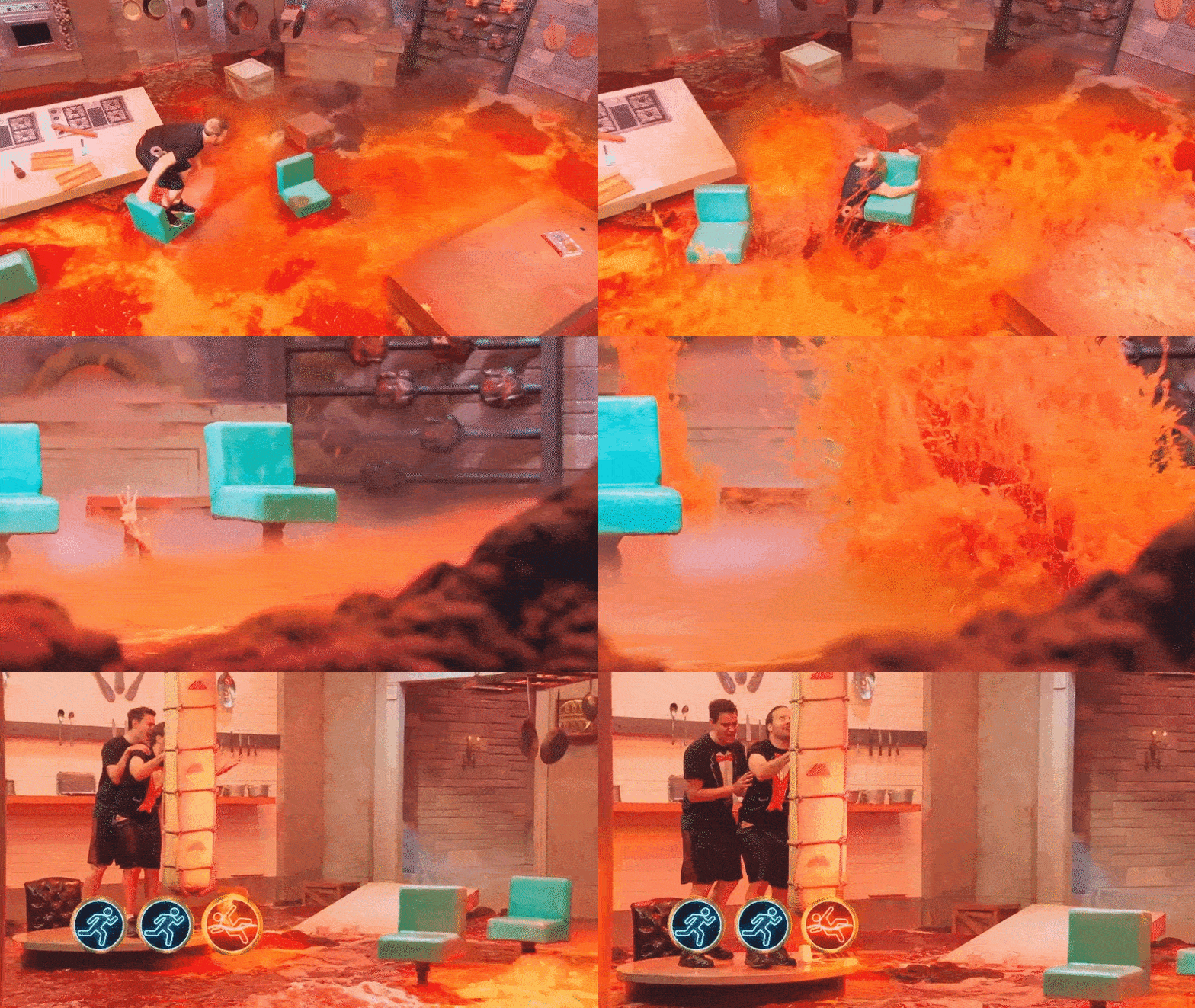
Back then, it was just a game.
For Angel, navigating the world can sometimes feel a little like that game followed him into adulthood.
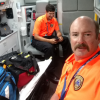
Before Multiple Sclerosis changed everything, Angel spent 28 years as an EMT helping people through some of the hardest moments of their lives. He was the calm in the chaos. The one responding when somebody needed help most.
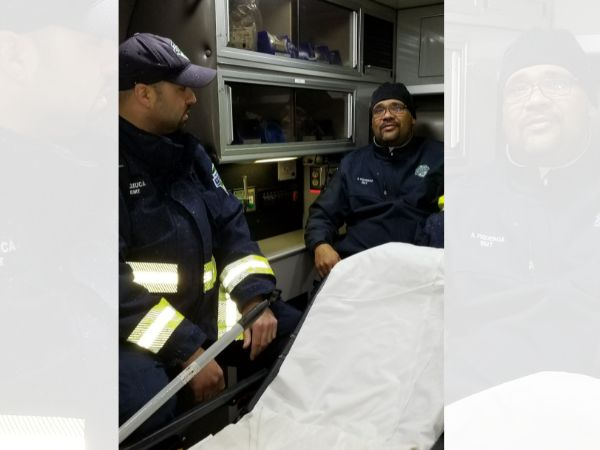
At the same time, he was raising a family, working hard, staying active, and moving through life without thinking twice about things like balance, fatigue, or whether the ground beneath him felt steady.
Then, slowly, that changed.
MS began interfering with the connection between Angel’s brain and body, turning things that once felt automatic into things that required focus, patience, and caution. Walking across uneven ground became tricky. Standing too long became exhausting. Dropping something on the floor suddenly meant figuring out the safest way to pick it back up.
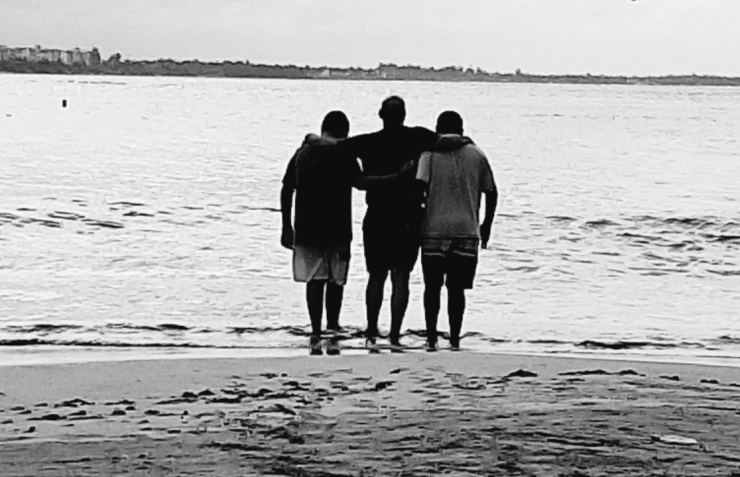
And honestly? Most people never think about how much effort it takes just to move through the world until movement becomes difficult.
A wet floor at the grocery store. Gravel in a parking lot. A steep curb. A narrow hallway. A long walk from the car to an appointment. For Angel, everyday environments can quickly turn into obstacle courses.
That’s where the cane, walker, and wheelchair come in. They help him stay mobile and safe, especially on harder days when exhaustion hits the strongest. Because another thing people don’t always understand about MS is how unpredictable it can be. Some days are manageable. Some days are frustrating. Some days, your body changes the rules without warning.
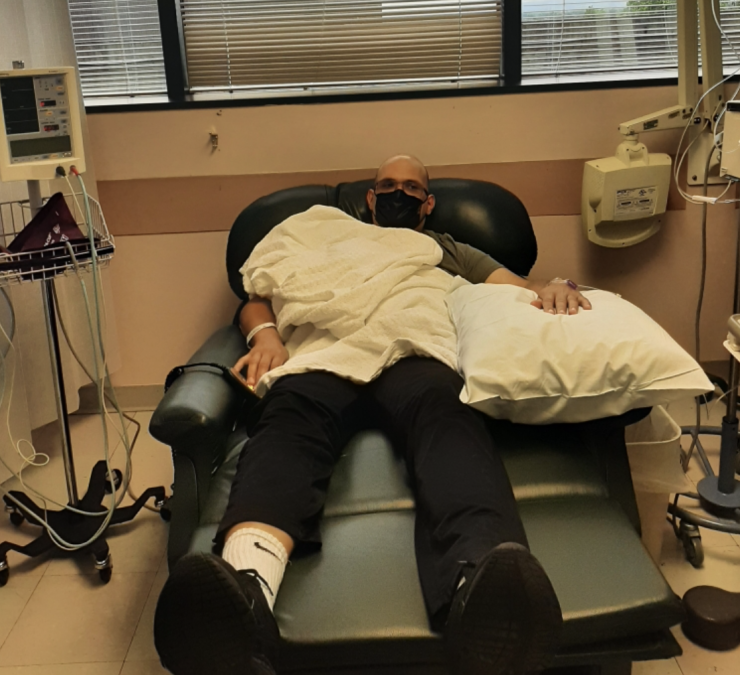
Still, Angel keeps showing up.
He keeps making time for his family. He keeps trying to stay independent. He keeps finding joy in fresh air, quiet moments outside, and working on his car when he’s feeling up to it. Those moments might seem small to someone else, but when your world suddenly requires careful planning and constant adaptation, small things start to matter a whole lot more.
That’s also why a professionally trained service dog would mean so much to him.
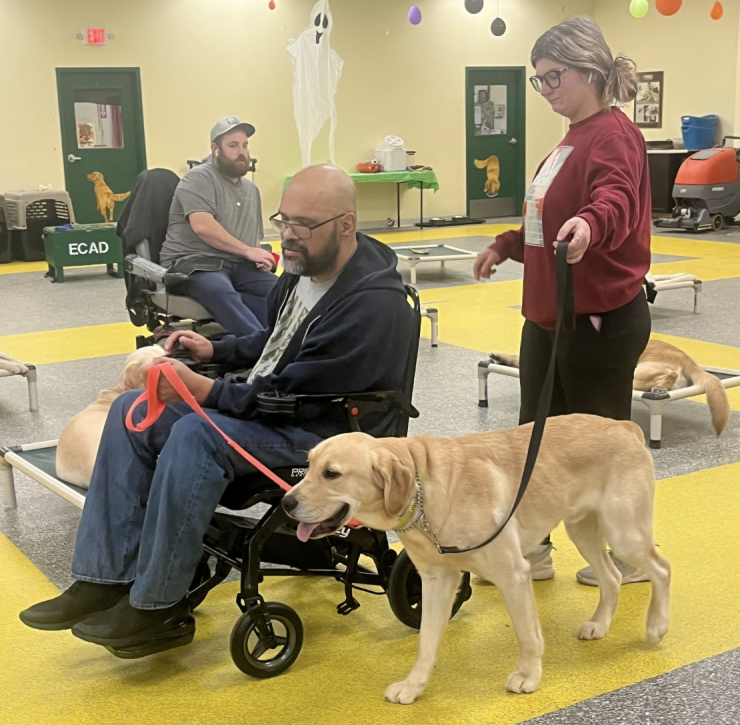
His service dog will be trained for medical alerts and mobility assistance, helping reduce fall risk and providing support during moments when his body becomes unpredictable.
After nearly three decades spent answering calls for help as a first responder, Angel now has a partner stepping in to help him navigate the hardest moments himself.
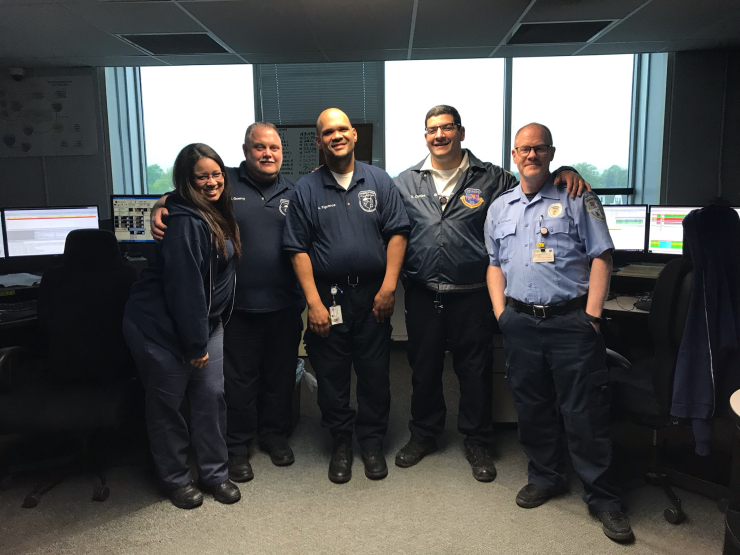
There’s something incredibly full-circle about that.
When you’re living with a condition like MS, sometimes the hardest part isn’t even the physical exhaustion. It’s the mental exhaustion of constantly thinking about every step, every surface, every movement.
Like the floor might actually be lava.

But if there’s one thing Angel refuses to do, it’s stop moving forward.
He continues to adapt. Continues to push through hard days. Continues to show up for the people he loves. And through it all, he’s holding onto the parts of life that still make him feel like himself.
Thanks to the generosity of Chive Nation, Angel is receiving funding toward a professionally trained service dog from Educated Canines Assisting with Disabilities (ECAD) that will help him move through the world more safely and independently — one step at a time. The total impact is $28,000.
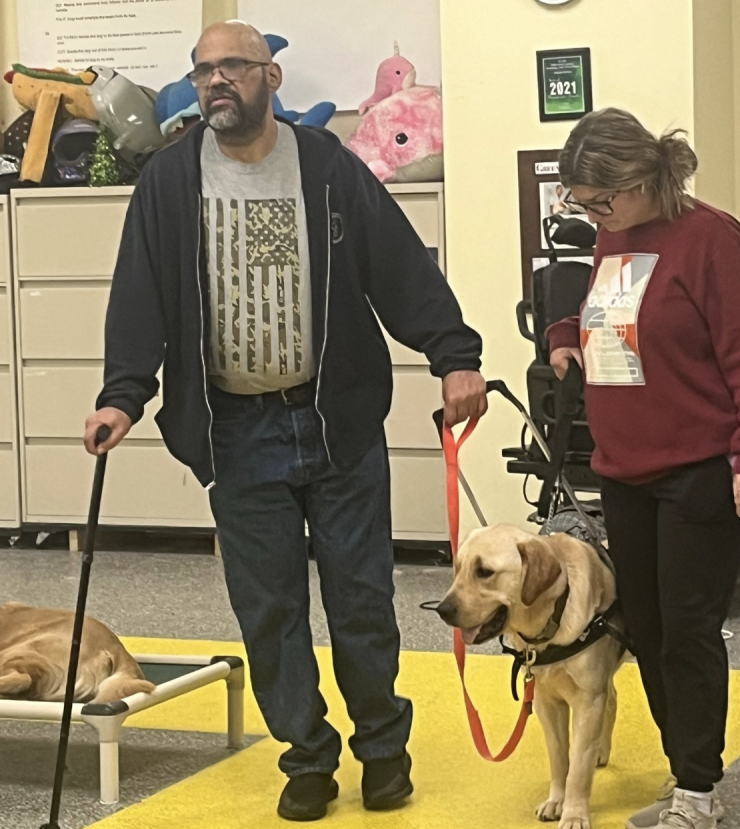
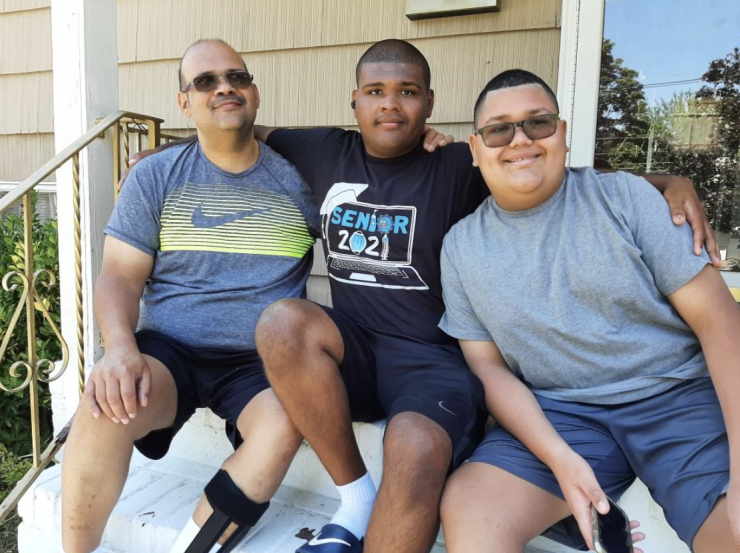
As a fellow New Jerseyan, Angel’s story reflects the impact supporters of events like SantaCon and local groups like Jersey Chivers can have right in their own communities.
The funds raised through community events help Chive Charities continue supporting recipients in their own backyards, giving people facing life-changing medical challenges the tools, care, and support they deserve.
If you’ve ever wanted to make a direct impact in someone’s life, we’d love to help you get involved. You can reach out to our team at Chive Charities, or make a one-time or monthly donation. Whichever you choose, you’ll be changing more lives. DONATE HERE.
The Breakdown
How can a service dog help someone with Multiple Sclerosis?
Service dogs can help people with Multiple Sclerosis by providing mobility assistance, medical alerts, balance support, fall prevention, and assistance during unpredictable physical episodes. Professionally trained service dogs can improve safety, independence, and quality of life for people living with MS.