









-2__small.jpg)


























-3__small.jpg)


__small.jpg)


__small.jpg)


_with_flag,_jason__emily_rowley-4__small.jpg)


-2__small.jpg)


Not your singing voice or your public-speaking voice. Just the ordinary one you probably used a dozen times before you finished breakfast this morning — the one that says good morning, orders coffee, tells someone where you live, cracks a joke, asks for help, or tells someone you love them.
Most of us will spend our entire lives using it without considering what it would cost to lose.
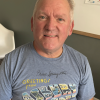
But Army veteran Matt P. knows.
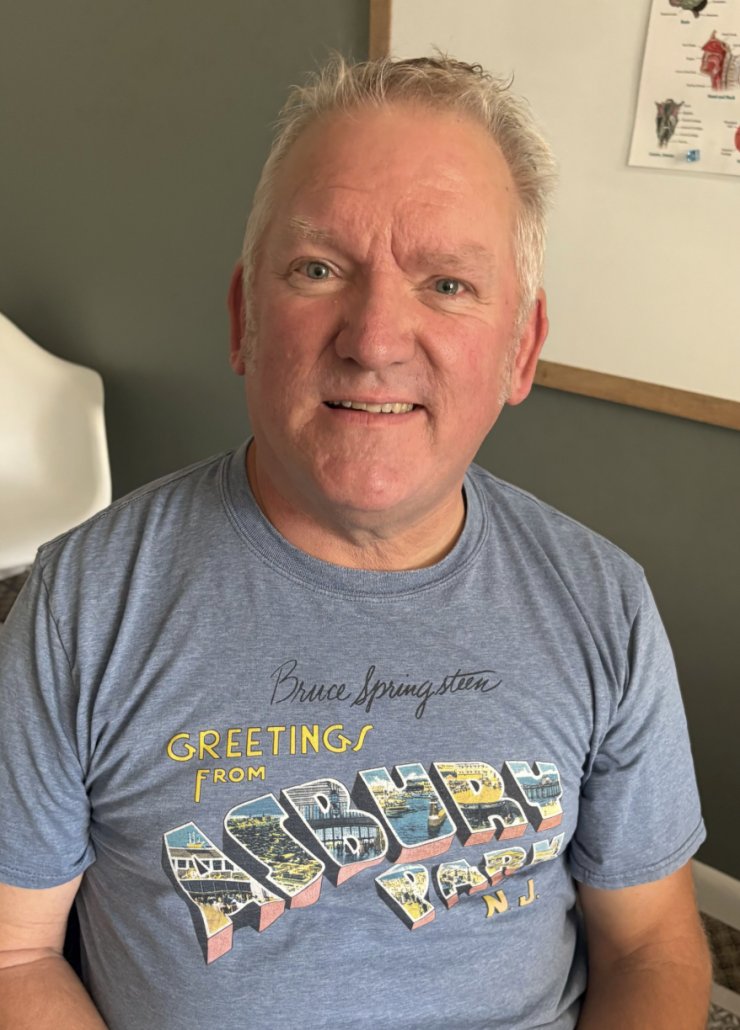
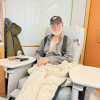
Matt served two years in the U.S. Army and spent 24 years working for the Postal Service. He loved hunting, spending time with friends, and escaping to his camp in Vermont, which is where he was one weekend when a friend suffered a medical emergency.
With help far away, Matt performed CPR and helped carry his friend to safety, ultimately saving his friend’s life.
The next morning, Matt suffered a massive stroke of his own.
When he woke up, the words were gone.
Matt knew what was happening around him, but he couldn’t tell people what he needed or translate the thoughts in his head into words they could understand. What followed were hospitals, rehabilitation, and years of speech therapy, complicated further by five seizures that brought setbacks of their own.
Still, Matt kept rebuilding.

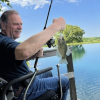
He exercised for hours, walked hills wearing a weighted backpack, and learned to navigate life with limited use of his right hand. Today, he lives independently in his own apartment, shops for his own groceries, drives a modified vehicle, and still hunts, adapting his setup so he can do it one-handed.
Yet more than a decade after his stroke, language remained one of the hardest pieces to reclaim.
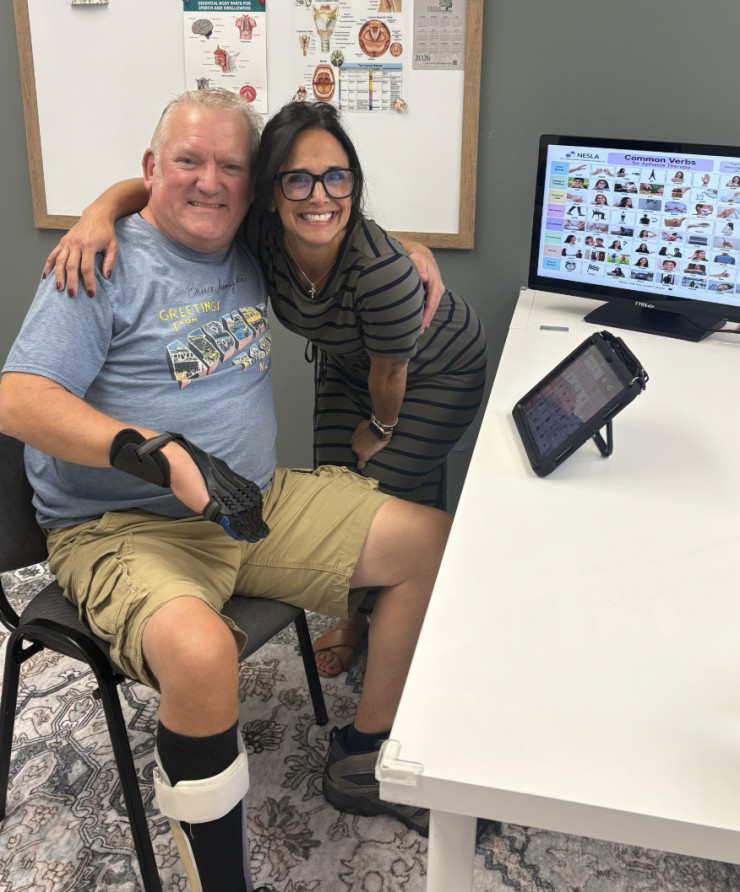
When Matt noticed his speech beginning to decline again, he returned to therapy, where his therapist helped him get a TobiiDynavox Freestyle Talker to replace an outdated communication device he had used years before. For Matt, the technology isn’t simply a substitute for his voice; because he wants to communicate verbally, it has become a tool for helping him rebuild it.
Using pictures, written words, and audio together, Matt can construct a sentence, hear the device speak it, and then practice saying it himself. The process helps reconnect concepts most of us take for granted — I. Want. Need. Go. — with the language Matt has spent years working to recover.
And it’s working.
When Matt first returned to therapy, putting even two words together was difficult. Now, he can tell people what he wants, understand more of what is being said to him, and build sentences he can practice at home. One day, he walked in and told his therapist exactly what he wanted:
“I want a bagel and cream cheese and a coffee.”
For most of us, it’s an order we’d make without thinking. For Matt, it represents more than a decade of work to reclaim something the rest of us rarely realize we’re lucky to have.
Which made what happened next especially difficult.
Insurance paid for most of Matt’s communication device, but left him responsible for the final $850. Matt isn’t working, and when he couldn’t afford the remaining balance, he and his therapist believed they might have to return it.
In other words, after twelve years of fighting to regain his voice, Matt was effectively being asked to rent it.
Chive Charities donors made sure he didn’t have to.
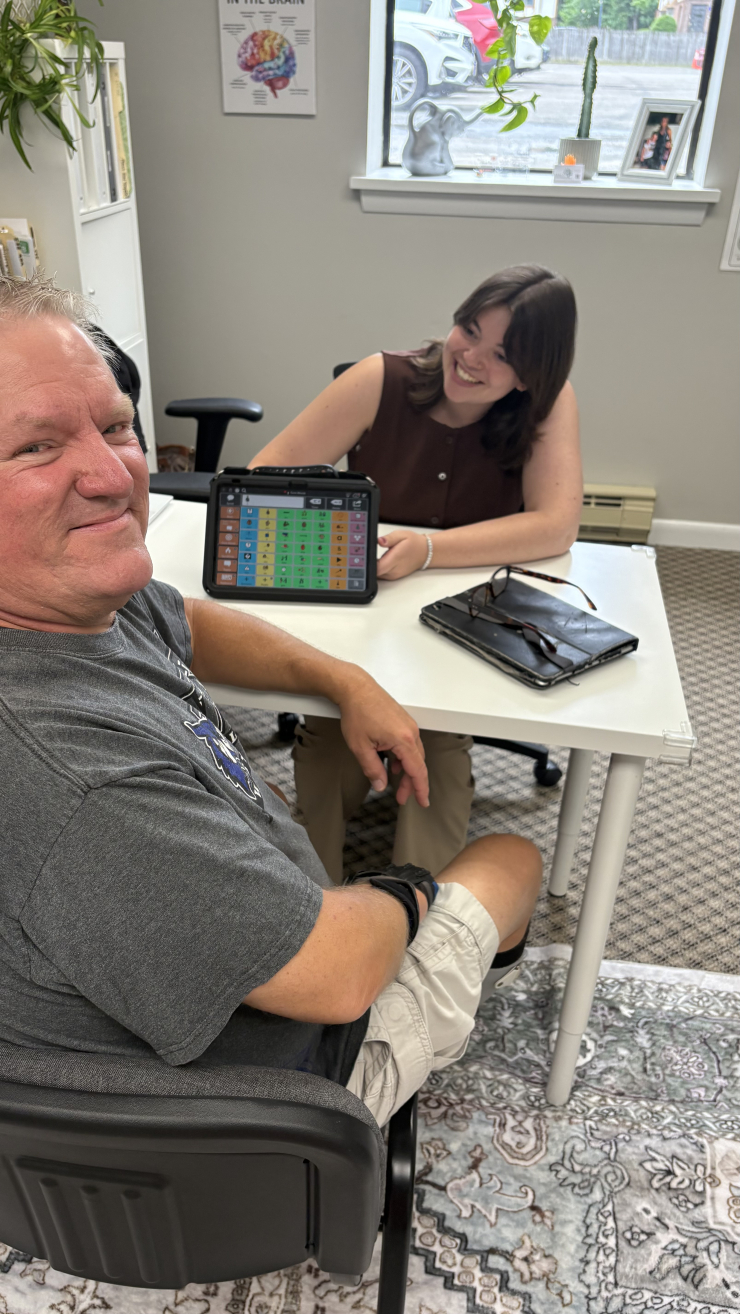
When Matt learned that a Chive Charities grant would cover the remaining cost and the device would finally be his, both he and his therapist cried. She had watched him fight for every bit of progress he had made, even during seasons when, in her words, it felt like other people had “given up on him.”
Matt never did.

That $850 grant means Matt can keep practicing the sentences that are slowly becoming his own. It means that when a word won’t come, he has another way to find it, and when the world moves faster than his speech can, he has a way to make himself understood. Most importantly, it gives a fiercely independent veteran one more tool to keep living the life he has worked extraordinarily hard to rebuild.
For Matt, that means coffee orders, appointments, conversations, jokes, and all the wonderfully ordinary things a voice allows us to say. For another Chive Charities recipient, it might mean mobility, safety, independence, or simply the ability to participate more fully in their own life.
Your donation helps close the gaps insurance leaves behind, turning seemingly small grants into profoundly human things that are much harder to put a price on.
No one should have to rent their voice just to be heard. Help us make sure no one else has to. DONATE HERE.